
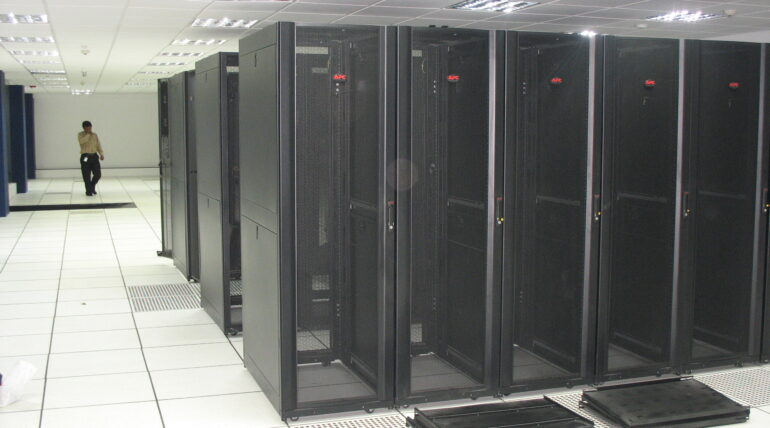
In today’s digital age, with the rapid rise in AI adoption, data centers and IT offices are the backbone of business operations. As technology evolves and infrastructure demands grow, raised access flooring has become more than just a luxury—it’s a necessity. Understanding why access floor systems are essential can help you make informed decisions about your facility’s infrastructure.
Superior Cable Management and Flexibility
One of the primary advantages of raised access flooring is exceptional cable management. Modern data centers house thousands of cables including power lines, fiber optics, ethernet cables, and communication wires. Traditional flooring methods create cable clutter that’s difficult to maintain and poses safety hazards. Access flooring creates a concealed void space beneath the floor surface where all cables can be neatly organized, routed, and accessed without disrupting operations.
The modular design of raised floor systems offers unparalleled flexibility and access. During repairs or downtime, when the need to access a particular wire or panel arises, —individual floor panels can be easily removed to access the underfloor space. This significantly minimizes downtime and eliminates the cost and mess of removing and refixing, making maintenance easy, accessible and hassle free.
Besides regular access, when the IT infrastructure needs change—whether adding new servers, relocating workstations, or upgrading equipment— flooring system can be easily added, removed or relocated. This not only makes the system cost economical but also makes your facility truly future-proof.
Enhanced Cooling Efficiency and Energy Savings
Data centers generate significant heat from servers and equipment, making effective cooling critical. Raised access flooring enables underfloor air distribution, a highly efficient cooling method that delivers cold air directly where it’s needed. Cool air rises through perforated floor tiles near heat-generating equipment, while warm air returns through ceiling vents, creating optimal airflow patterns.
This targeted cooling approach reduces energy consumption by up to 30% compared to traditional overhead systems. With rising energy costs and growing sustainability concerns, the energy efficiency of access flooring translates to substantial operational savings and reduced carbon footprint over time.
Load Distribution and Safety
Modern access floor systems are engineered to support heavy loads from servers, UPS systems, and equipment racks. Available in various load capacities—from light-duty office applications to heavy-duty data center specifications—these systems distribute weight evenly across pedestals and structural supports, ensuring stability and safety.
Anti-static options are available for environments with sensitive electronic equipment, protecting against electrostatic discharge that could damage expensive hardware or cause data loss.
Clean Aesthetics and Professional Environment
Beyond functionality, raised access flooring creates clean, professional workspaces. Without visible cables or cable trays, your facility maintains an organized appearance that impresses clients and creates a pleasant working environment for staff. The finished floor surface can accommodate various finishes including carpet tiles, vinyl, or anti-static materials to match your design preferences.
Long-Term Investment Value
While the initial investment in quality access flooring may seem significant, the long-term benefits far outweigh the costs. Reduced energy bills, minimal maintenance requirements, easy upgrades, and enhanced operational efficiency provide excellent return on investment. Modular Access floor systems, backed by decades of engineering excellence, typically last 20-30 years with proper maintenance.
For modern data centers and IT offices, raised access flooring isn’t just an option—it’s essential infrastructure that supports current operations while preparing for future growth. Partner with experienced providers like Inner Space to ensure your facility has the foundation it needs to succeed.